Toolpath Intent Architecture
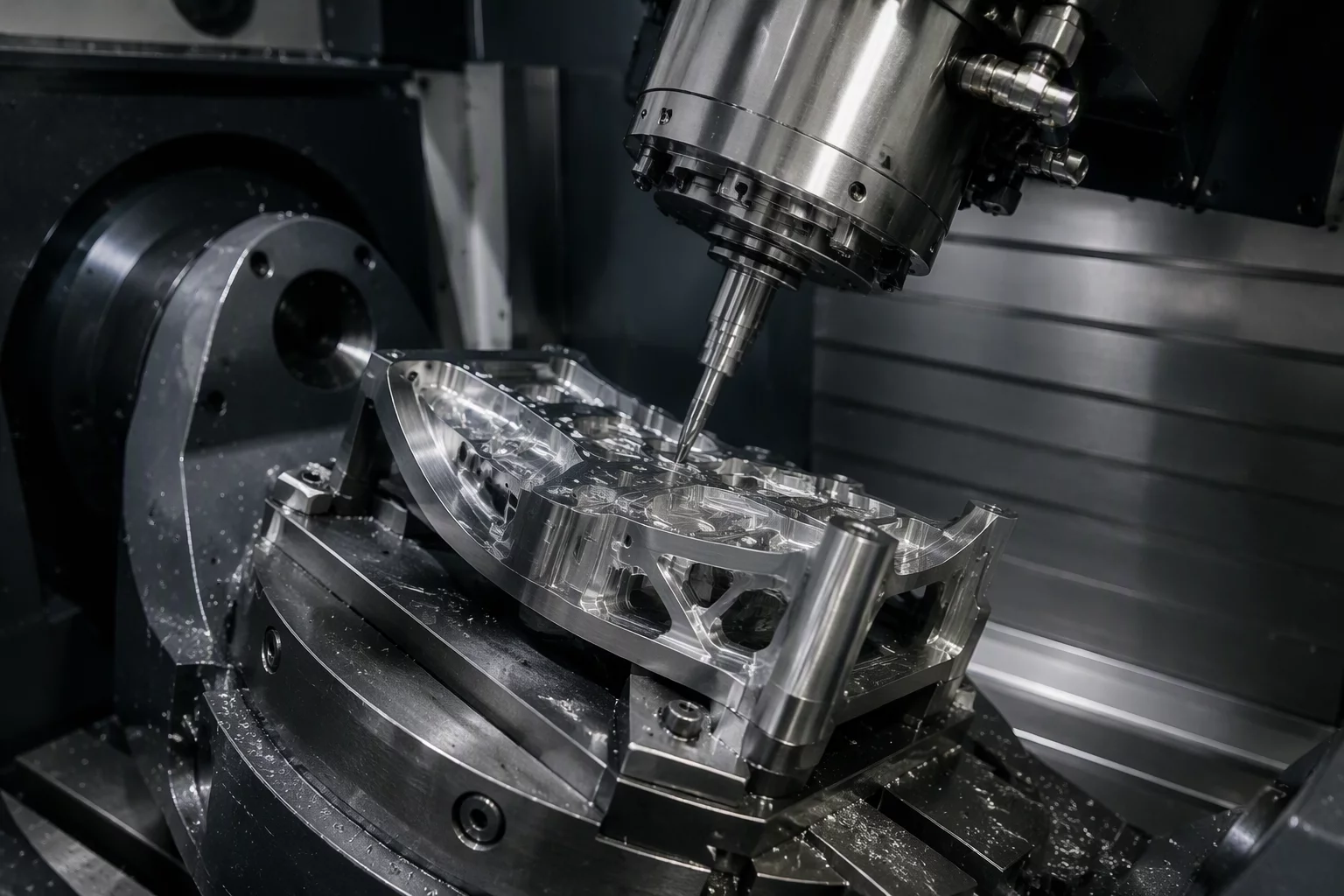
Industrial CNC milling operation toolpath background
OPERATIONAL & LEGAL STANDARDS CNC Operational Framework

Terms of Use & Engineering Standards

Review the rules, verification standards, and operational guidelines governing technical CAM strategies, toolpath documentation, and manufacturing reference architectures.

Version 2.4 • Effective: October 16, 2026 • Scope: Engineering Documentation & CAM Data
Section 01 ID: TOU-GEN-01

1. Acceptance of Terms

By accessing, browsing, reading, or referencing ToolpathIntent Notebook (accessible via our public domains and regional engineering mirrors), you acknowledge that you have read, understood, and agreed to be bound by these legal Terms of Use.

If you do not agree to these terms, or if you are not authorized to implement manufacturing directives on behalf of your facility, you must immediately cease referencing our CAM algorithms, intent cards, and machining documentation.

Section 02 ID: TOU-CAM-02

2. Technical Scope & CAM Reference Materials

ToolpathIntent Notebook provides technical intent frameworks, high-efficiency milling workflows, sequential roughing guidelines, and finishing operation notes. These materials are authored solely for educational, theoretical, and benchmark reference by certified NC programmers, manufacturing engineers, and precision machinists.

Operational Verification Checklist:
• G-code validation against physical controller limits
• Feed-rate optimization corresponding to tool overhang
• Fixture rigidity verification under extreme radial forces

For detailed breakdowns on specific operations, examine our dedicated modules for Roughing Cases, Finishing Cases, and Remaining Stock Management.

Section 03 ID: TOU-IPR-03

3. Intellectual Property Rights

All structural schematics, intent card classifications, mathematical tool engagement analyses, and written guides hosted on this site are the proprietary intellectual property of ToolpathIntent Notebook, unless otherwise attributed.

Third-party software trademarks, including Mastercam and associated brand references, are utilized purely nominatively to designate compatibility and engineering application contexts. Such references do not imply endorsement, affiliation, or official sponsorship by the respective trademark proprietors.

You are permitted to incorporate our structural methodologies into your internal machine-shop post-processors and setup sheets, but you may not duplicate, redistribute, or resell our documentation compilations for commercial publishing without prior written authorization.

Section 04 ID: TOU-LIA-04

4. CNC Verification & Limitation of Liability

Precision machining involves hazardous kinetic energy, high spindle velocities, and substantial mechanical stresses. Real-world machine configurations differ drastically in dynamic rigidity, controller lookahead processing, and workholding stability.

Under no circumstances shall ToolpathIntent Notebook, its contributors, or engineering authors be liable for tool breakage, spindle collisions, scrapped workpieces, fixture deflection, or industrial physical harm resulting from the deployment of toolpath strategies presented on this platform.

Every programmer retains sole responsibility for completing dry-runs, collision detection, and full-volume simulation before initiating rapid traverses on live machine tools. Review our full engineering boundary definitions in our Disclaimer.

Section 05 ID: TOU-CND-05

5. Acceptable Operating Conduct

When interacting with our technical contact touchpoints, enquiry modules, or documentation repositories, you agree not to:

  • Deploy automated scraping mechanisms, scrapers, or indexers that exhaust system bandwidth.
  • Transmit contaminated CNC macro routines, Trojan post-processors, or malicious code payloads.
  • Misrepresent credentials, proprietary spindle capabilities, or enterprise operational data.

For specifics on how telemetry and inbound inquiries are processed, consult our Privacy Policy.

Section 06 ID: TOU-REV-06

6. Policy Revisions & Updates

We reserve the right to revise, modify, or append these Terms of Use as CAM manufacturing technology, 5-axis controller logic, and international engineering guidelines evolve. Continued reference to our technical repositories following posted revisions constitutes acceptance of the amended standards.

Direct questions concerning toolpath intent architectures and operational clauses to our engineering desk via the Contact Form.