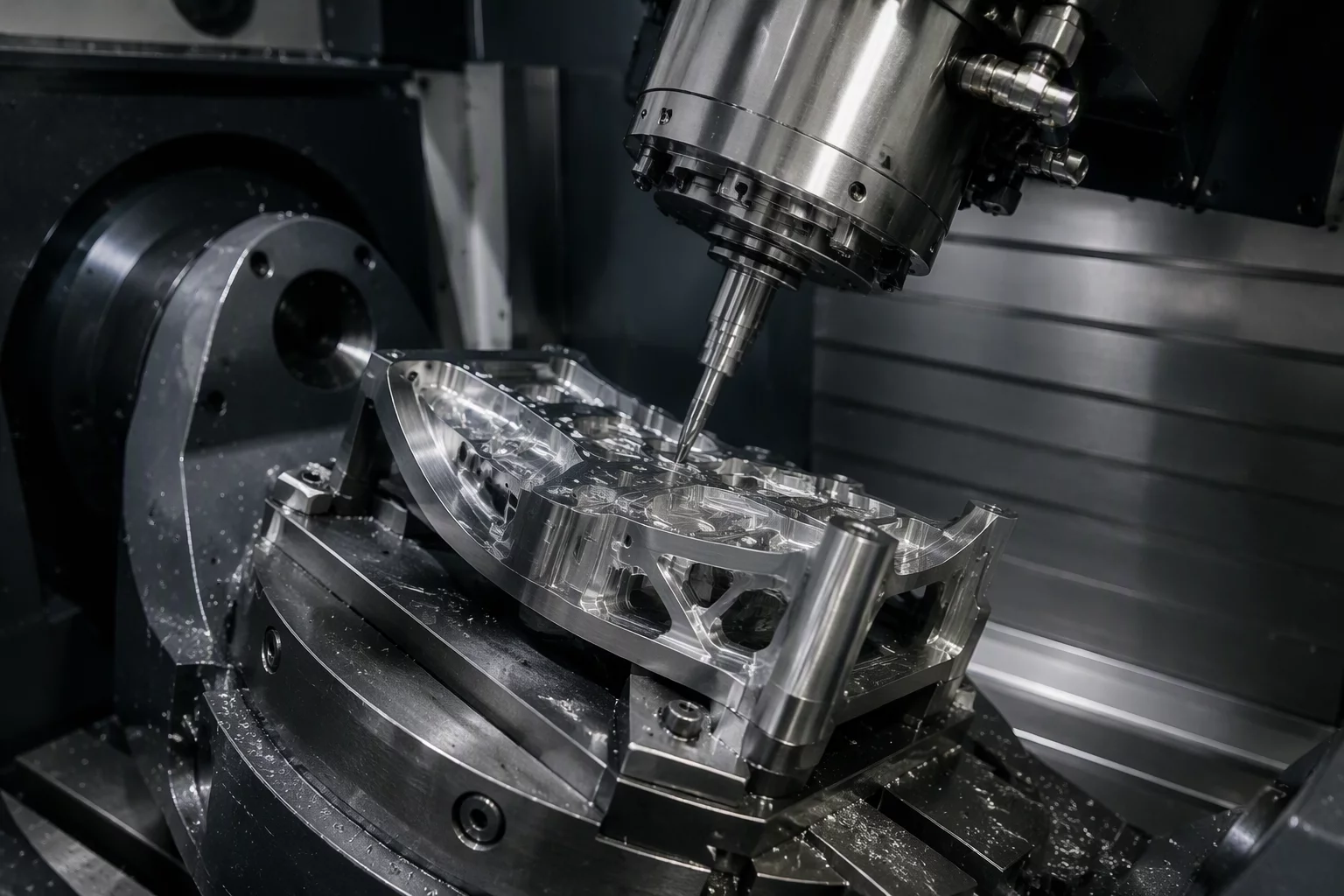
Roughing Should Leave Something on Purpose
Why every roughing operation must document what it intentionally leaves behind as the input condition for downstream finishing.
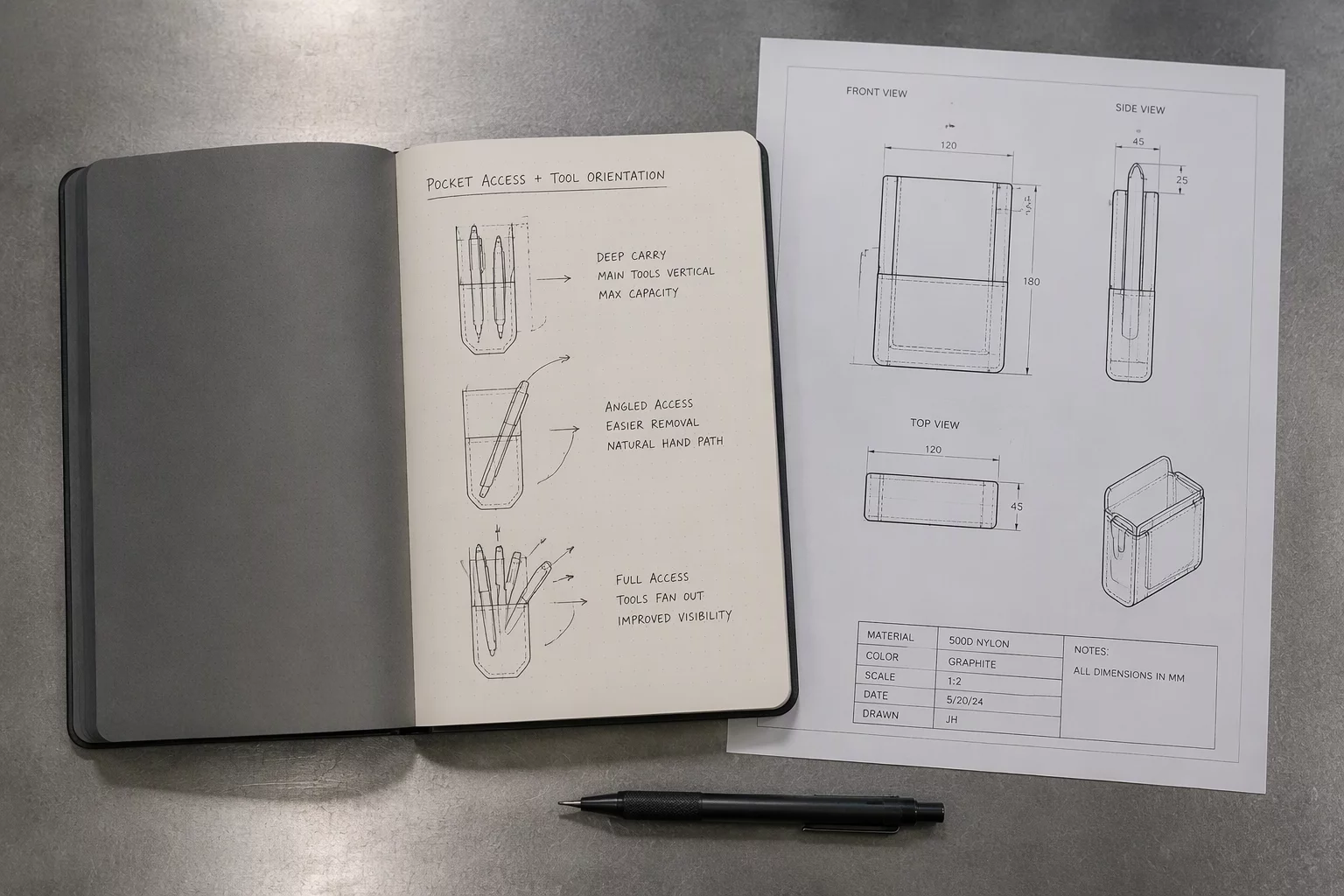
Standardized procedural reference cards detailing tool engagement angles, dynamic clearance matrices, scallop boundary constraints, and step-by-step CAM parameters.
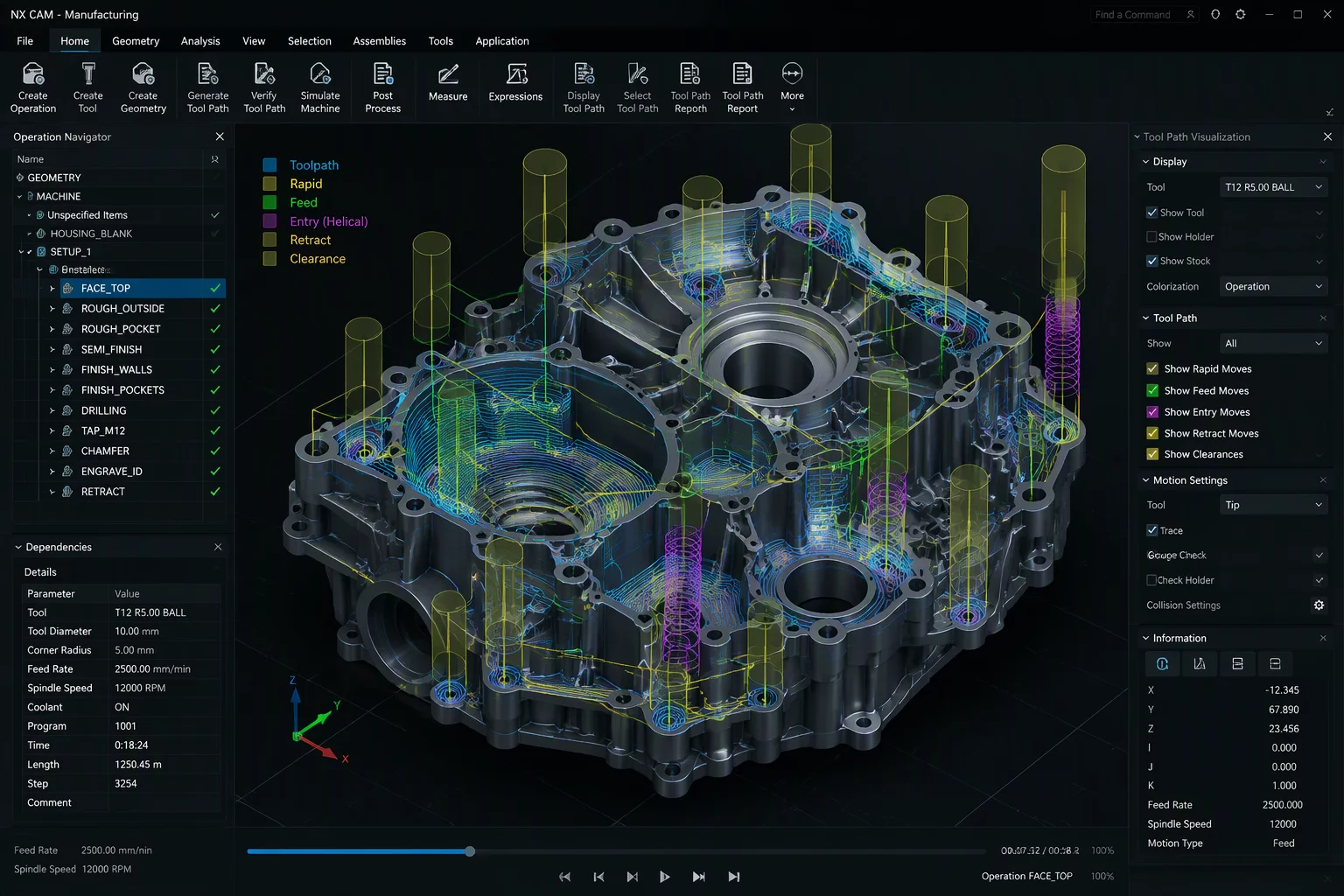
Field-tested CNC programming cards mapping cutter engagement geometry, tool life trade-offs, and stock convergence parameters across complex 3-axis and multi-axis configurations.
Why every roughing operation must document what it intentionally leaves behind as the input condition for downstream finishing.
A finish pass is not always about surface quality. Sometimes it defines dimensional accuracy, feature boundaries, and mating interface conformance.
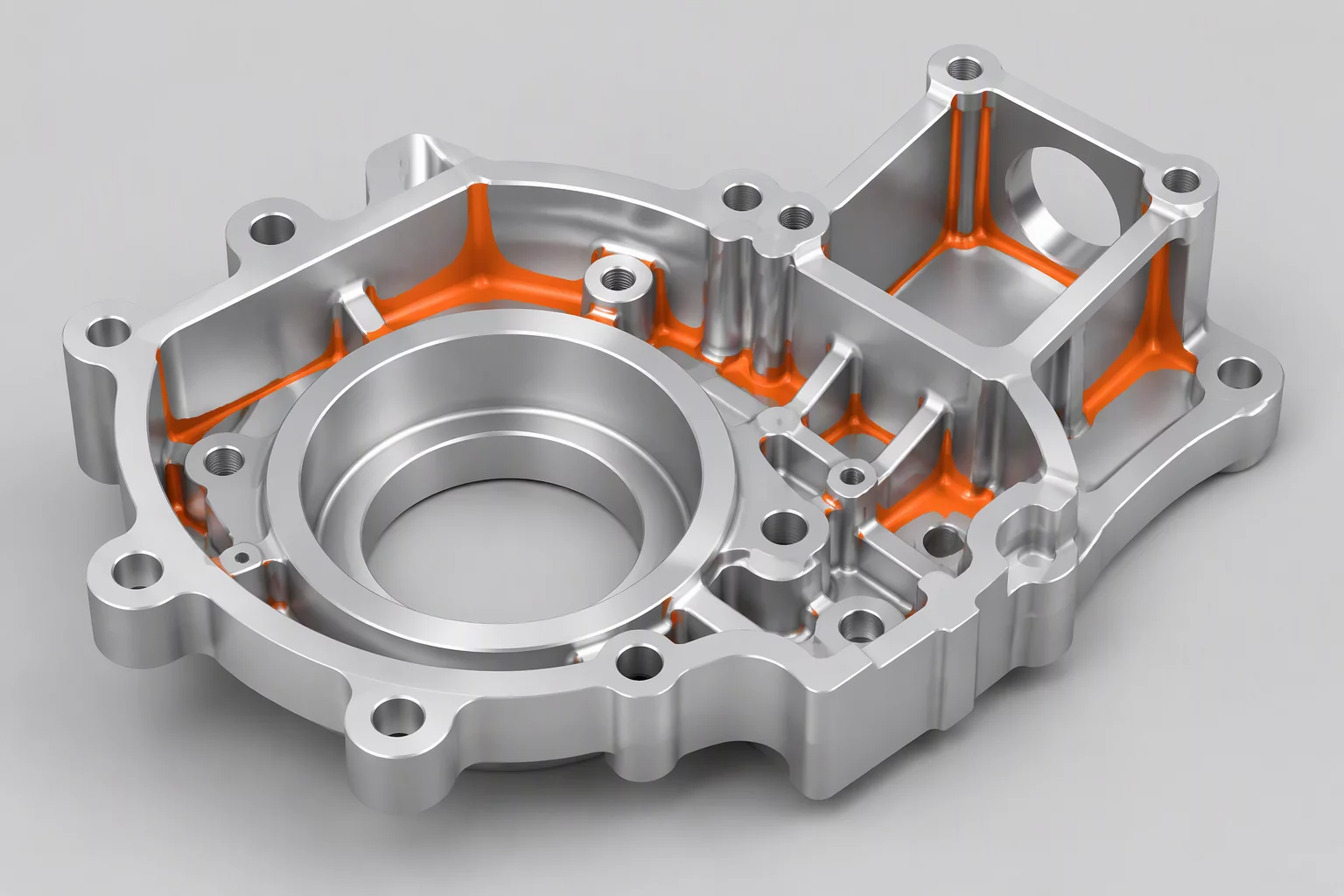
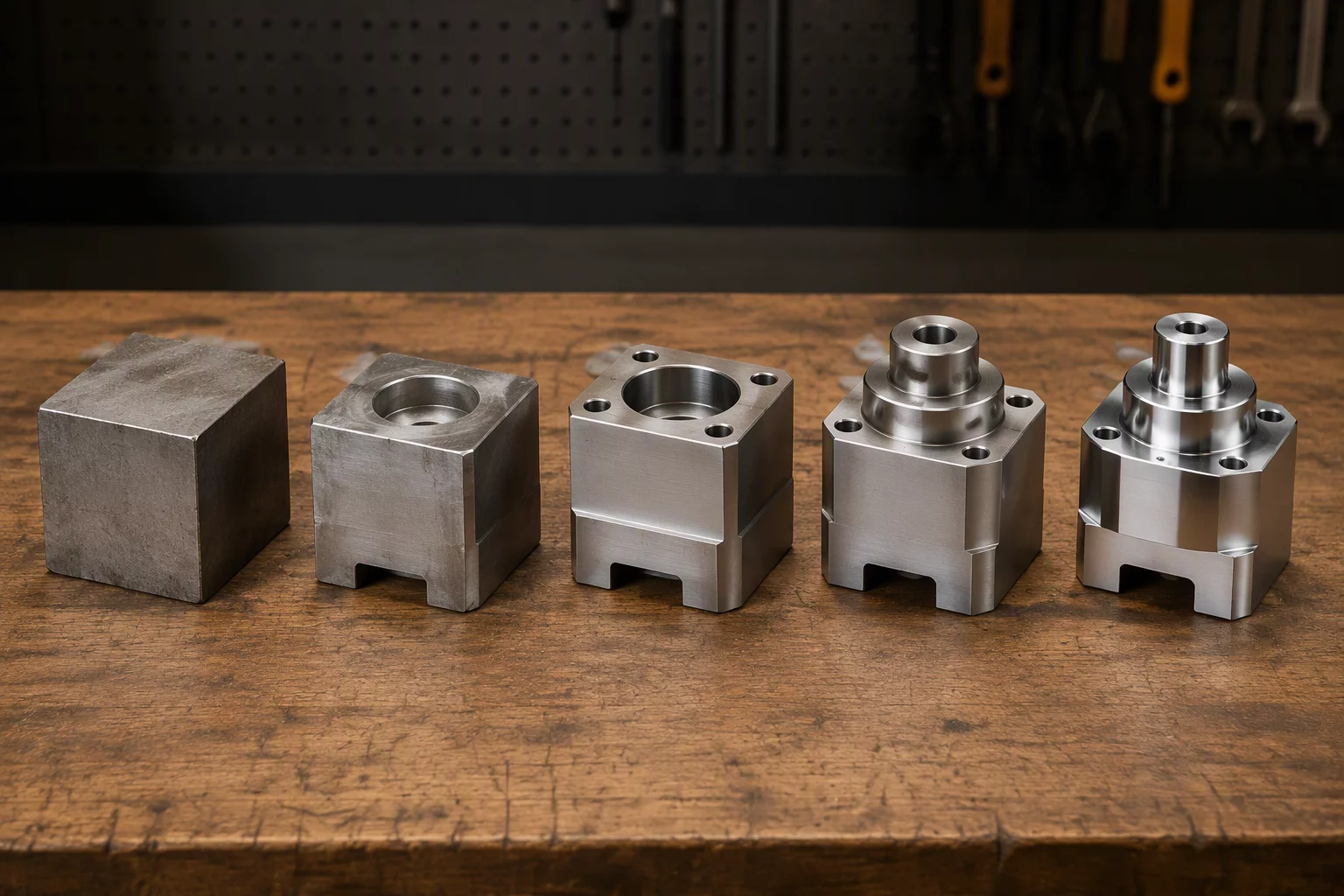
Material removal is not feature completion. A toolpath can clear stock from a region yet leave the feature unfinished.
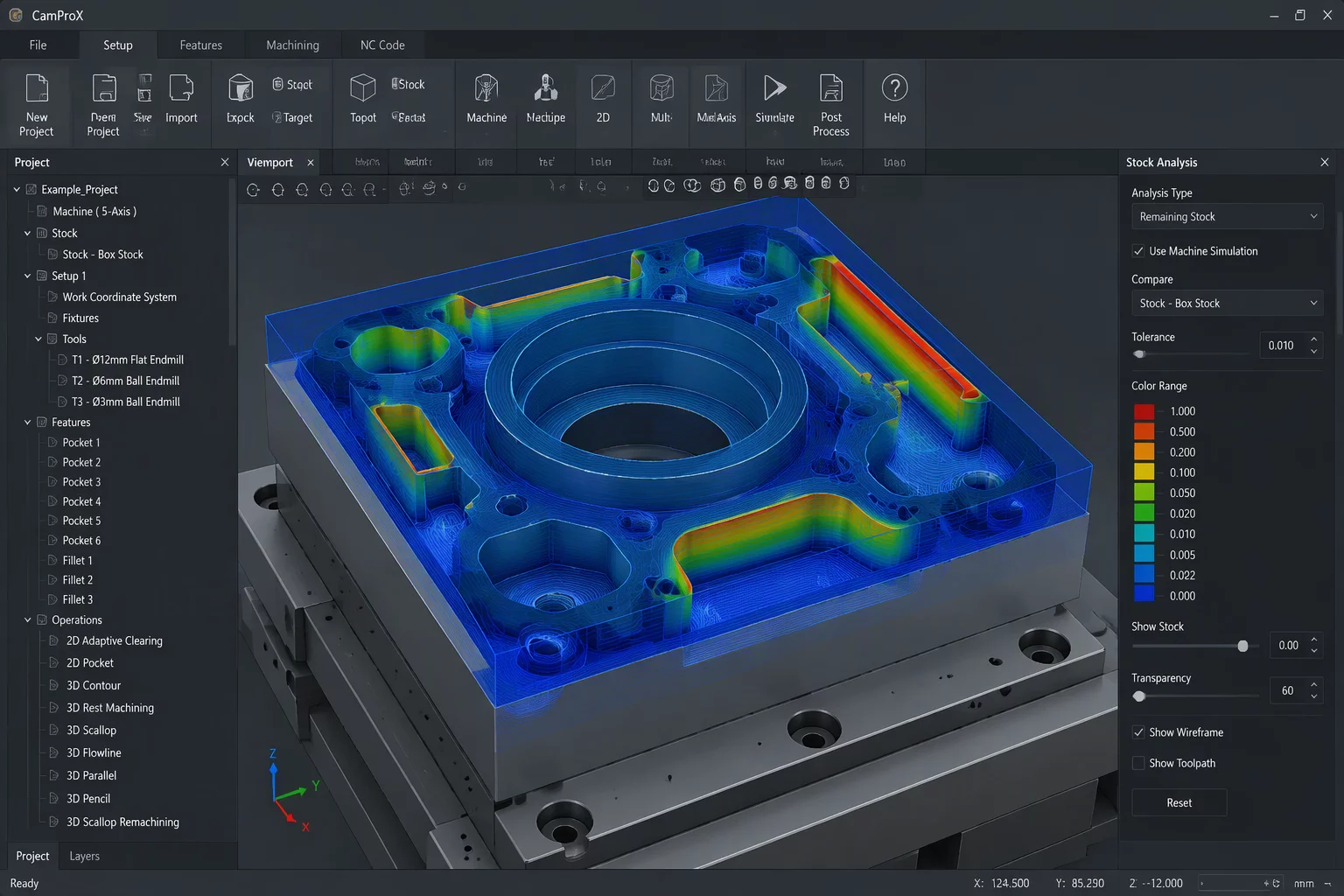
Every operation must document what it leaves behind. Remaining stock is the input condition for every downstream toolpath decision.
Two seemingly identical operations can belong at different stages. Stock condition, access state, and tolerance progression decide the stage.
Comprehensive execution matrix translating design intent into clean Mastercam parameter sets, linking moves, and deterministic safe-zone retracts.
A single pocket can serve as roughing volume, semi-finishing reference, and finishing boundary — each demanding its own toolpath intent.
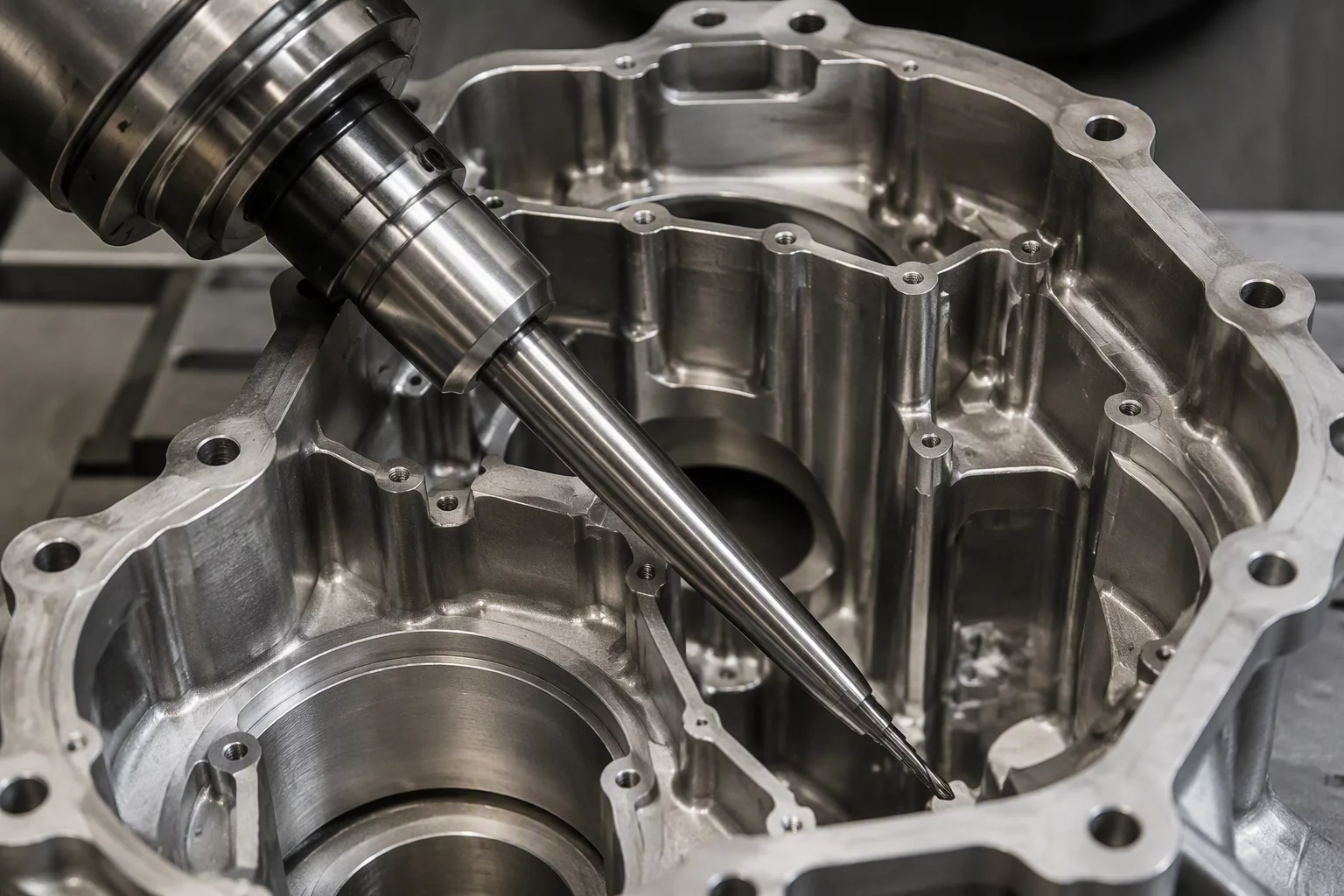
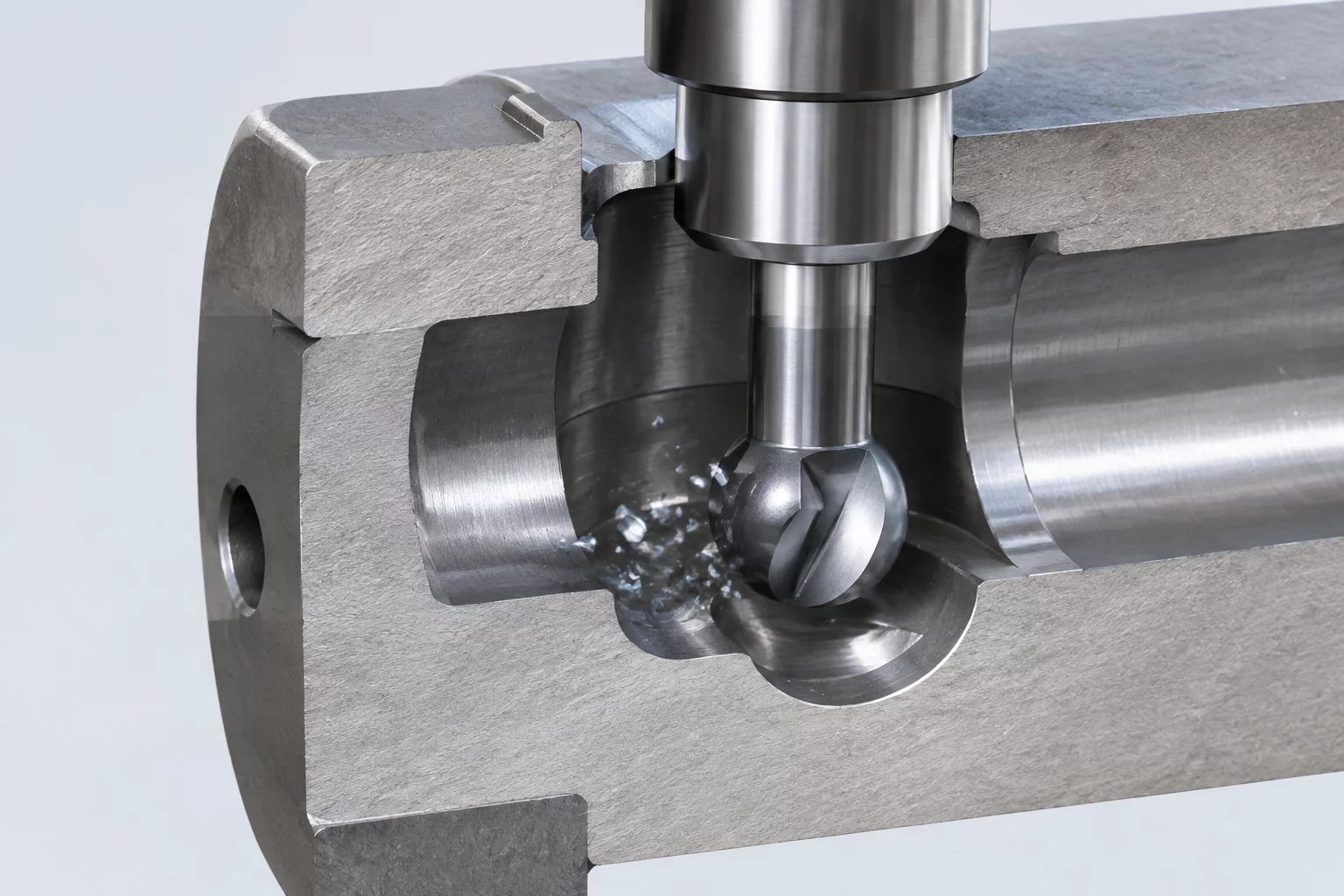
A tool can physically reach a surface yet fail to achieve the machining intent. Access and purpose are separate requirements.
A toolpath name alone cannot explain a process. Reasoning, stock assumptions, and sequence dependencies must be documented explicitly.
Cards optimize radial stepover percentage against cutter diameter to prevent sudden tool spikes.
Every strategy document includes validated shank clearance parameters and gouge check settings.
Standardized operation numbering and stock inheritance guarantees repeatable machine outcomes.